I purchased Framework’s new Laptop 13 Pro recently. These are my initial impressions of it, and of switching back to Arch Linux after a few years on macOS.
I’ve been bouncing between macOS and Linux for the last 12 years, never fully satisfied with either. On Mac, I’m constantly missing the window management from sway and the ability to customize ~everything about my environment. On Linux, I miss Continuity and the MacBook’s hardware.
The Framework Laptop
I’ve been following Framework and rooting for them for years, but never purchased any of their computers because none of them felt quite right for me. The 12 and 13 didn’t seem like they could stack up against the MacBook Pro in physical quality, CPU power, and battery life. The 16 could get closer in terms of performance, but I don’t want a laptop that big. The desktop is neat, but if I wanted a desktop I’d probably build something fully custom rather than starting with theirs.
This new 13 Pro seemed like the sweet spot: powerful enough to compete with a MacBook Pro, better hardware than the regular 13, and strong Linux support explicitly prioritized by the manufacturer.
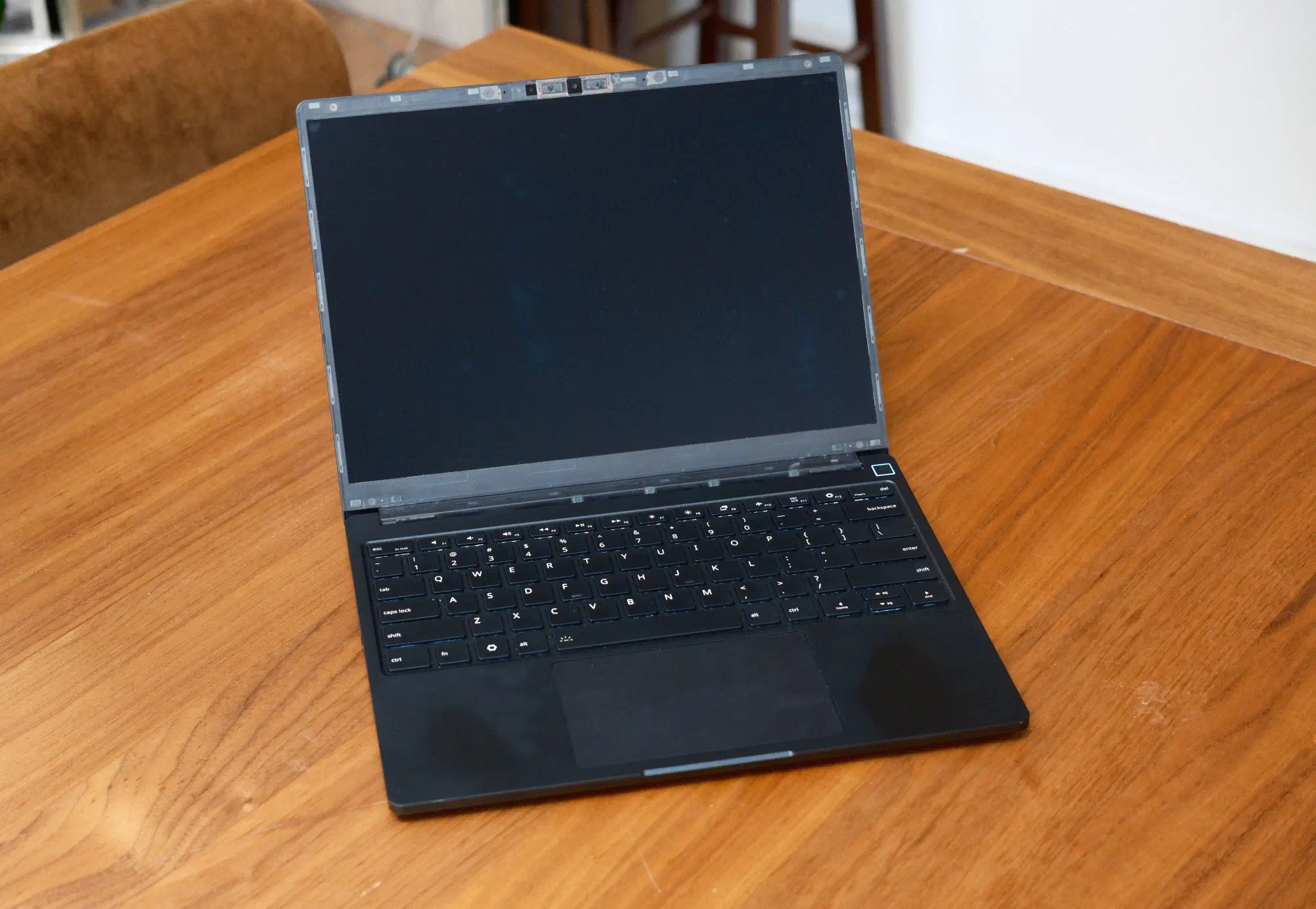
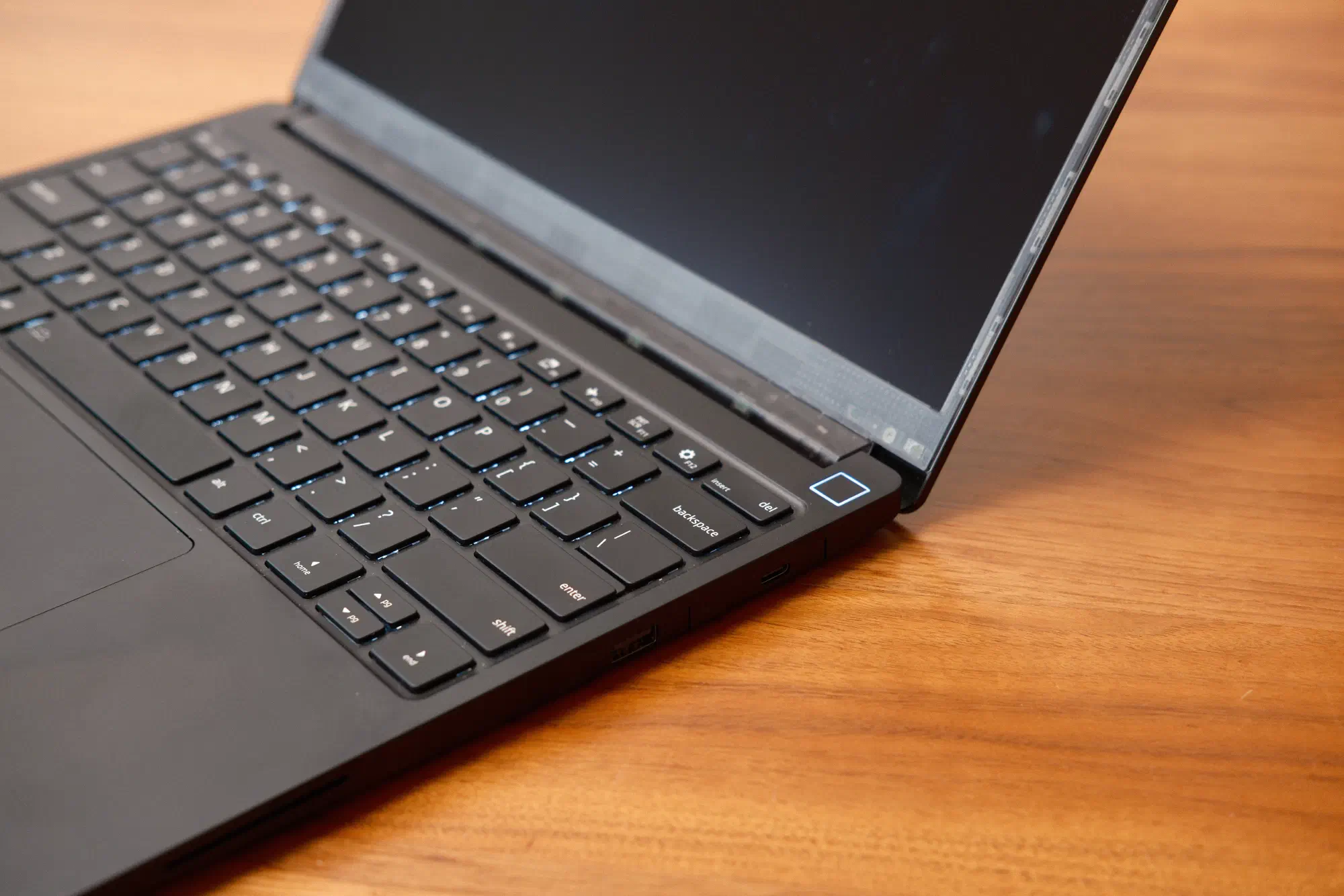
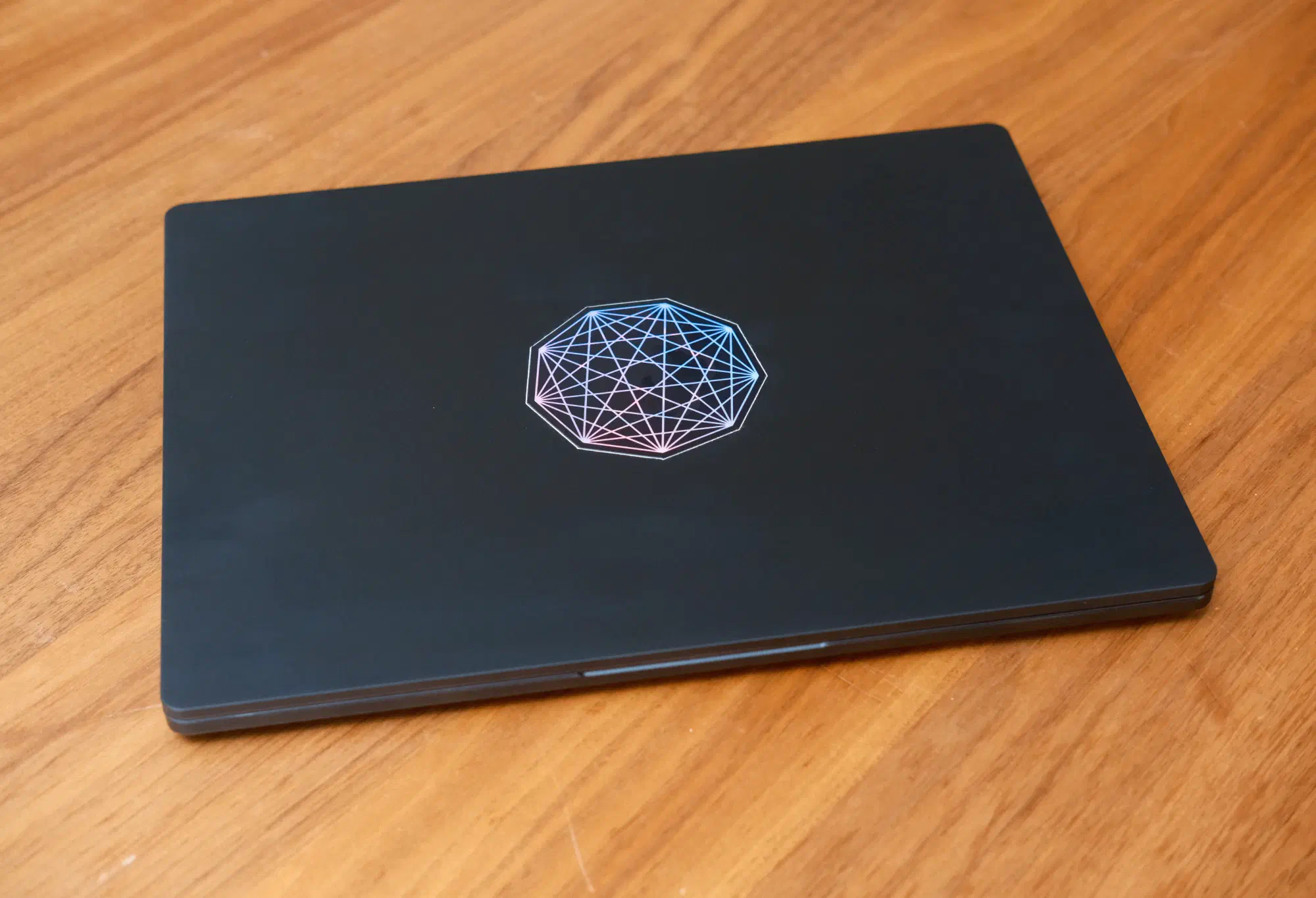
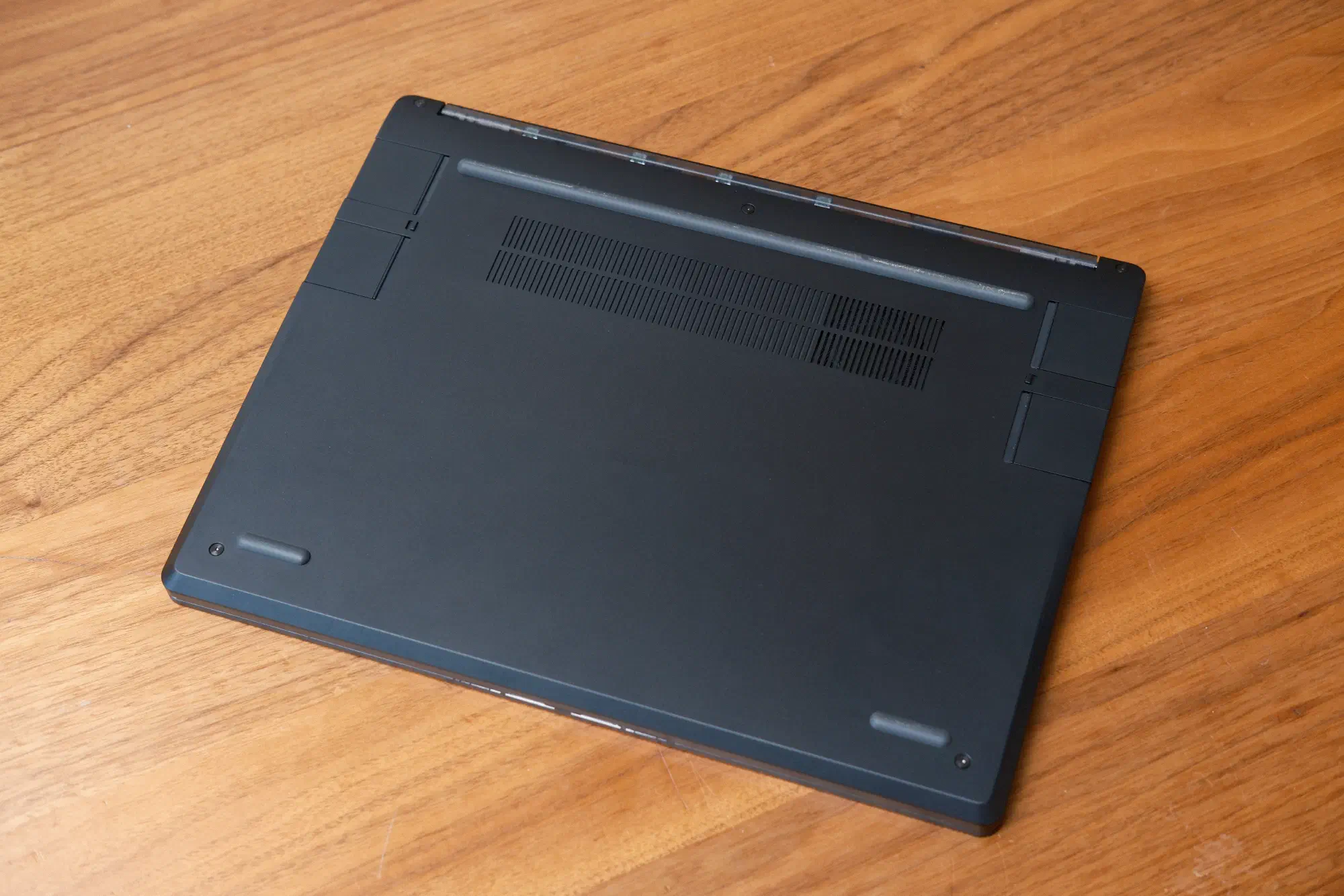
I’m only a few weeks into using this laptop, but I’m really pleased so far. The hardware feels and looks great. It’s not quite as solid as a MacBook; there are more visible seams and a bit more flex, but to me that’s a totally acceptable trade-off for the repairability and upgradeability.
There are a few hardware improvements that I’m hoping for in the future:
- A keyboard with ThinkPad-style keys and a TrackPoint. The included keyboard isn’t bad, but I prefer the feel of ThinkPad caps and switches, and I miss the TrackPoint from my old ThinkPad.
- An OLED display for deeper black levels.
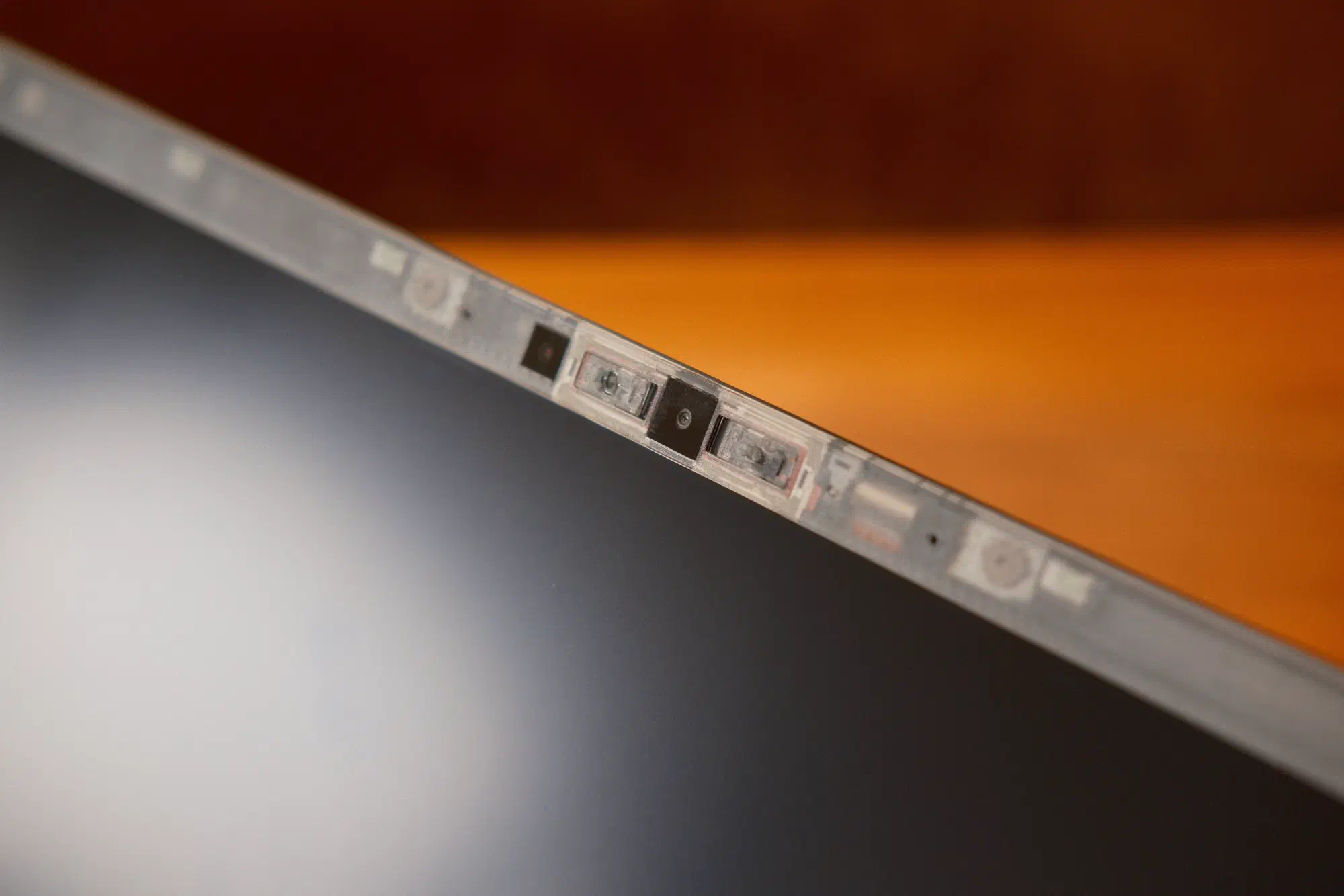
- A better webcam. Coming from Apple’s laptop cameras, the Framework’s is bad.
Linux
I used Linux full time in college, but had to use a Mac for my first job after graduating. Since then, I’ve only sunk deeper into the Apple ecosystem, and I’ve missed things about it each time I’ve attempted to switch back to Linux.
This could be another short-lived attempt, but I’m optimistic that it’s going to stick this time. There are two big reasons:
- This laptop is great and it doesn’t feel like a downgrade from a MacBook.
- Coding agents have completely changed what it’s like to configure an Arch Linux system.
I’m no stranger to complex and custom Arch setups and ricing in general. I have 11 years of commit history in my dotfiles repo, evidence of way more hours than I’d like to admit spent tweaking little details of my environment, but with a coding agent (lately it’s been Gemini 3.6 Flash inside Pi), system and application configuration has become much less of a time-sink.
I mostly try to limit actual edits to files tracked in my dotfiles git repo, but even without actual file edits, the agents are incredibly helpful when debugging system issues. Recently they’ve helped me debug issues with external displays, printers, and networks. Many of those things would be non-issues if I used a distro like Ubuntu or Fedora that has most things configured nicely out of the box, but I enjoy doing a bit of work up front to get all of those things working exactly how I want them to.
I’ve never tried using NixOS, but that may be my next adventure. I suspect that its immutable design and the ability to track all system changes in git could be an excellent fit for agent-assisted system configuration.
My goal for this run with Linux is to have as few compromises as possible when it comes to things I miss from macOS. Anytime I notice myself wishing I could do something that was possible on the Mac, rather than finding a quick or hacky workaround, I’m taking the time to set up a proper replacement. Often, the replacement feels more like an improvement than a compromise!
The main things still missing are:
- iCloud Photos - I use the Photos app on Mac all the time to quickly get photos that I took on my phone or import photos from an SD card. For now I’m trying out the iCloud Photos web app and using Google Photos more. I’m aware of immich but I’m not sure whether I trust myself or Google/Apple to keep the relevant infrastructure running for the rest of my life.
- iMessage/SMS sync - I’ve seen some hacky solutions for this, but none seem stable enough to be worth it for me.
- Continuity clipboard sync - I can get by with LocalSend, but it’s not frictionless enough to feel like a full replacement.
- Ableton Live - I know about Bitwig and will try it one day, but I really like Ableton and wish it had official Linux support.
For the other nerds reading this who like this kind of thing, here’s my current stack:
- Arch
- Sway
- Waybar
- Ghostty
- tmux
- Neovim
- Google Chrome (mainly for cross-device sync linked to my Google account, although I may end up back on qutebrowser soon if I find I can live without sync)
Some nice Linux alternatives to Mac-only software that I’m using:
If you have any questions or suggestions, please email me.